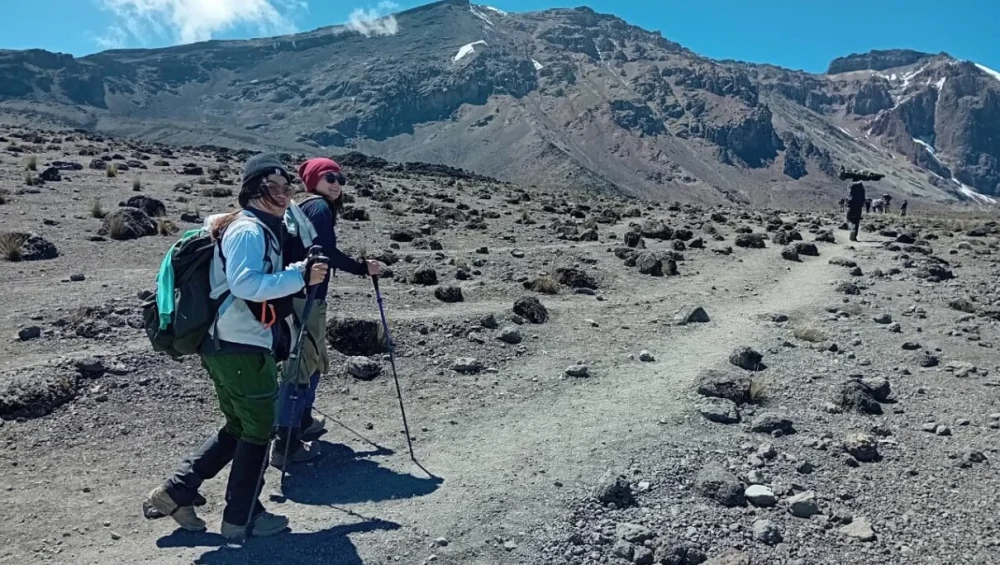
Climbing Mount Kilimanjaro is one of the world’s most iconic adventures — and the highest free-standing mountain on Earth. While it does not require technical climbing skills, reaching the summit (Uhuru Peak, 5,895 m / 19,341 ft) demands proper training, preparation, and mental determination.
If you’re planning your trek with Go Ahead Trip, this guide will help you prepare safely and confidently for the Roof of Africa.
Why Training Matters for Kilimanjaro
Many trekkers underestimate Kilimanjaro because it is a “walkable” mountain. However, altitude, long trekking days, and changing weather make preparation essential.
Proper training helps you:
-
Increase stamina for 5–8 days of hiking
-
Reduce risk of altitude sickness
-
Prevent injuries
-
Enjoy the journey instead of suffering through it
-
Improve your chances of reaching the summit
Physical Training Plan (Start 8–12 Weeks Before)
1) Cardiovascular Endurance
Your heart and lungs must handle long days of continuous movement.
Best cardio exercises:
-
Brisk walking or hiking
-
Running or jogging
-
Cycling
-
Stair climbing
-
Swimming
Aim for 30–60 minutes, 4–5 times per week
2) Hiking Practice (Most Important)
Nothing replaces real hiking.
Try to:
-
Hike on hills or mountains whenever possible
-
Carry a backpack (5–10 kg)
-
Gradually increase distance and elevation
-
Practice walking for multiple hours
If you live in a flat area, use stairs, treadmills with incline, or weighted walks.
3) Strength Training
Strong legs and core reduce fatigue and prevent injury.
Focus on:
-
Squats
-
Lunges
-
Step-ups
-
Deadlifts
-
Core exercises (planks, sit-ups)
Train 2–3 times per week
4) Flexibility & Recovery
Flexibility helps prevent muscle strain and improves mobility.
Add:
-
Stretching after workouts
-
Yoga or mobility routines
-
Foam rolling
Altitude Preparation
Altitude is the biggest challenge on Kilimanjaro.
You cannot fully simulate high altitude at sea level, but you can:
-
Choose a longer route (Machame, Lemosho, Northern Circuit)
-
Follow “pole pole” (slowly, slowly) pace
-
Stay hydrated
-
Avoid alcohol before and during the trek
-
Sleep well before arrival
Some trekkers consult doctors about altitude medication such as acetazolamide.
Essential Gear Preparation
Having the right gear is just as important as physical fitness.
Clothing Layers
Kilimanjaro passes through multiple climate zones from rainforest to arctic summit.
You’ll need:
-
Moisture-wicking base layers
-
Insulating mid-layers (fleece/down)
-
Waterproof outer jacket
-
Warm hat and gloves
-
Thermal socks
Footwear
Your boots can make or break the climb.
✔ Well-broken-in hiking boots
✔ Good ankle support
✔ Thick trekking socks
✔ Gaiters (optional but helpful)
Never use brand-new boots on the mountain.
Daypack Essentials
Carry these items daily:
-
Water (3+ liters)
-
Snacks/energy bars
-
Sunscreen & lip balm
-
Sunglasses
-
Camera
-
Rain gear
-
Personal medications
Nutrition & Hydration
Fueling your body properly is crucial.
Before the climb:
-
Eat balanced meals rich in carbohydrates and protein
-
Maintain a healthy body weight
-
Stay hydrated
During the trek:
-
Drink 3–4 liters of water daily
-
Eat regularly, even ifyour appetite drops
-
Take advantage of the hot meals provided by your trekking team
Mental Preparation
Summit night is long, cold, and challenging. Mental strength often determines success.
Prepare by:
-
Practicing long endurance activities
-
Training in uncomfortable conditions (cold, rain, fatigue)
-
Setting realistic expectations
-
Staying positive and patient
Remember: Kilimanjaro is a marathon, not a sprint.
Health & Safety Tips
-
Get a medical check-up before traveling
-
Purchase travel insurance covering high-altitude trekking
-
Inform your guide of any medical conditions
-
Listen to your body — safety comes first
Professional guides monitor your oxygen levels and symptoms daily.
Final Tips for a Successful Kilimanjaro Climb
✔ Train consistently, not intensely at the last minute
✔ Break in your gear early
✔ Choose a reputable operator like Go Ahead Trip
✔ Give yourself time to acclimatize
✔ Keep a steady “pole pole” pace
✔ Enjoy the journey — not just the summit
Ready to Conquer Kilimanjaro?
Climbing Kilimanjaro is a life-changing achievement. With proper training, smart preparation, and expert guidance, almost anyone in good health can reach the summit.
Go Ahead Trip is here to guide you every step of the way — from preparation to the unforgettable moment you stand on the Roof of Africa.