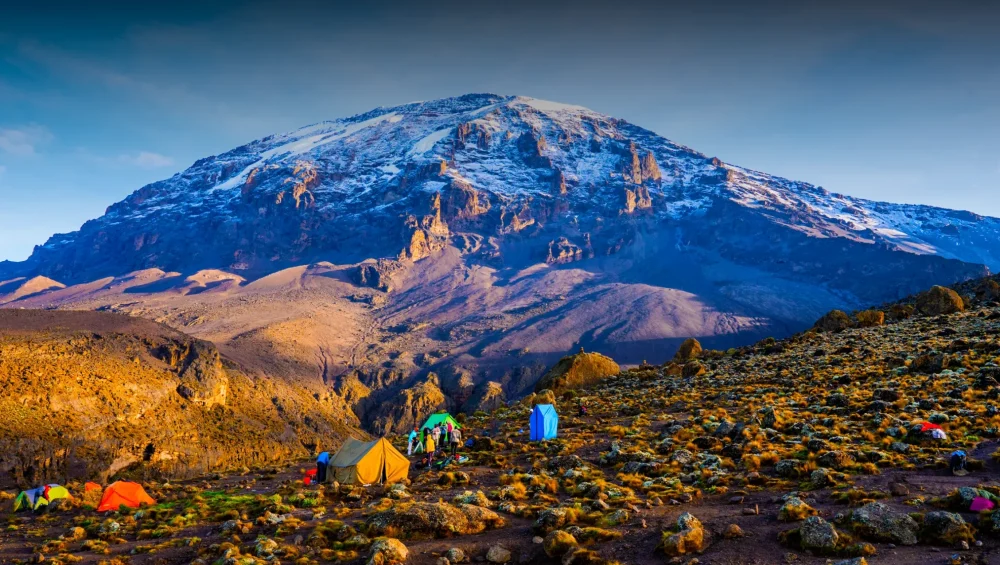
Mount Kilimanjaro is the highest mountain in Africa and one of the most iconic trekking destinations in the world. Rising to an elevation of 5,895 meters (19,341 feet) above sea level, this legendary mountain is located in northern Tanzania and dominates the surrounding plains with its massive presence. Unlike many of the world’s tallest mountains, Mount Kilimanjaro is a free-standing volcanic mountain, meaning it rises independently rather than forming part of a mountain range. This unique characteristic, combined with its accessibility and natural beauty, has made Kilimanjaro one of the most climbed high-altitude mountains on Earth.
This Mount Kilimanjaro overview provides a complete and detailed guide for anyone planning to climb the mountain or seeking to understand what makes it such a remarkable destination. From its geographical location and volcanic structure to trekking routes, weather conditions, difficulty level, acclimatisation challenges, and overall climbing experience, this guide answers the most important questions climbers ask before attempting the summit.
Where Is Mount Kilimanjaro Located?
Mount Kilimanjaro is located in the north-eastern part of Tanzania, close to the border with Kenya, within the protected area of Kilimanjaro National Park. The mountain lies approximately 300 kilometres south of the equator, yet its summit is permanently cold and often capped with snow and ice. The closest towns to Mount Kilimanjaro are Moshi and Arusha, both of which serve as major gateways for climbers arriving from around the world. Kilimanjaro National Park is a UNESCO World Heritage Site, recognised for its ecological importance, biodiversity, and outstanding natural beauty.
The mountain’s location allows climbers to experience dramatic scenery changes as they ascend from tropical lowlands to alpine and arctic conditions within just a few days. This geographical contrast is one of the defining features of the Kilimanjaro trekking experience.
How High Is Mount Kilimanjaro?
Mount Kilimanjaro stands at 5,895 meters above sea level, making it the tallest mountain in Africa and the highest free-standing mountain in the world. The summit, known as Uhuru Peak, is located on the crater rim of the Kibo volcanic cone. Kilimanjaro is also one of the famous Seven Summits, which represent the highest peaks on each of the seven continents. Despite its height, Kilimanjaro is considered one of the most accessible Seven Summits because it does not require technical mountaineering skills or the use of ropes, ice axes, or climbing hardware.
The altitude, however, presents a serious challenge. The reduced oxygen levels at high elevations make acclimatisation essential, and altitude sickness is the most common reason climbers fail to reach the summit.
The Volcanic Structure of Mount Kilimanjaro
Mount Kilimanjaro is composed of three distinct volcanic cones: Kibo, Mawenzi, and Shira. Kibo is the highest and only dormant cone, and it is where Uhuru Peak is located. Mawenzi is rugged, steep, and heavily eroded, making it unsuitable for standard trekking routes, while Shira is the oldest cone and has largely collapsed, forming a high plateau. Most trekking routes traverse the slopes of Kibo, gradually ascending toward the summit via established trails.
The mountain’s volcanic origins contribute to its diverse terrain, ranging from fertile forest soil at lower elevations to barren, rocky landscapes near the summit.
Why Climb Mount Kilimanjaro?
Climbing Mount Kilimanjaro is a unique adventure that appeals to both first-time high-altitude trekkers and experienced hikers. One of the main reasons people choose Kilimanjaro is that it offers a true high-mountain experience without requiring technical climbing skills. Trekkers walk to the summit using well-maintained trails, accompanied by professional guides and support teams.
Another major attraction is the variety of landscapes encountered during the climb. Trekkers pass through rainforest, heath and moorland, alpine desert, and arctic summit zones, experiencing dramatic environmental changes over a relatively short period of time. Reaching Uhuru Peak provides an immense sense of accomplishment and is often described as a life-changing experience.
Mount Kilimanjaro Trekking Routes
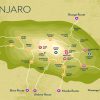
Mount Kilimanjaro offers several trekking routes, each with different characteristics in terms of scenery, difficulty, acclimatisation profile, and success rate. Some routes are more scenic and longer, allowing for better altitude adaptation, while others are shorter and more direct. The choice of route plays a significant role in determining a climber’s overall experience and likelihood of reaching the summit.
Routes such as Machame and Lemosho are known for their scenic beauty and gradual ascent profiles, while the Marangu Route is famous for its hut accommodation. The Northern Circuit is the longest route and offers the highest success rate due to extended acclimatisation. Selecting the right route based on fitness level, time availability, and personal preference is one of the most important decisions when planning a Kilimanjaro climb.
How Long Does It Take to Climb Mount Kilimanjaro?
The duration of a Mount Kilimanjaro climb typically ranges from five to nine days, depending on the chosen route. Shorter climbs involve faster ascents, which increase the risk of altitude sickness and reduce the likelihood of reaching the summit. Longer itineraries allow the body more time to adapt to decreasing oxygen levels, significantly improving the chances of a successful summit.
Most experienced operators strongly recommend climbing Kilimanjaro for at least seven days to maximise safety, comfort, and success. While longer climbs require more time and investment, they greatly enhance the overall trekking experience.
Best Time to Climb Mount Kilimanjaro
Mount Kilimanjaro can be climbed throughout the year, but weather conditions vary depending on the season. The best time to climb Kilimanjaro is during the dry seasons, which occur from January to March and from June to October. During these periods, climbers benefit from clearer skies, better trail conditions, and improved summit visibility.
The rainy seasons, which typically occur in April and May as well as in November, bring increased precipitation, muddy trails, and cloudier conditions. While climbing during the rainy season is still possible, it is generally less comfortable and less popular.
Weather and Climate Zones on Mount Kilimanjaro
One of the most fascinating aspects of climbing Mount Kilimanjaro is the rapid transition through multiple climate zones. At lower elevations, the rainforest zone is warm and humid, with dense vegetation and frequent rainfall. As climbers ascend, the landscape opens into heath and moorland, characterised by cooler temperatures and unique plant species. Higher still, the alpine desert zone becomes dry, windy, and barren, with dramatic temperature fluctuations between day and night.
At the summit, climbers enter an arctic environment where temperatures can drop as low as minus twenty-five degrees Celsius. Snow, ice, and strong winds are common, particularly during the early morning hours of summit attempts.
How Hard Is It to Climb Mount Kilimanjaro?
Although Mount Kilimanjaro does not require technical climbing skills, it should not be underestimated. The primary challenge is altitude, which affects every climber differently. Physical fitness, mental resilience, and proper preparation all play crucial roles in determining success.
The summit attempt involves a long and demanding night hike, often beginning around midnight and lasting several hours in cold, windy conditions. Fatigue, altitude symptoms, and low temperatures combine to make summit night the most difficult part of the climb.
Altitude Sickness on Mount Kilimanjaro
Altitude sickness is the most significant health risk associated with climbing Mount Kilimanjaro. As elevation increases, oxygen levels decrease, which can lead to symptoms such as headaches, nausea, dizziness, and fatigue. Proper acclimatisation is essential to reducing the risk of altitude sickness, and this is best achieved through slower ascents and longer itineraries.
Experienced guides monitor climbers closely for symptoms and make informed decisions to ensure safety. Listening to your body and following professional guidance greatly increases the chances of a successful and safe climb.
Accommodation on Mount Kilimanjaro
Accommodation on Mount Kilimanjaro varies depending on the route. Most routes involve camping in high-quality mountain tents, while the Marangu Route offers shared mountain huts with basic facilities. All guided climbs include support teams that handle tents, meals, and equipment, allowing climbers to focus on the trek itself.
Meals are prepared by trained mountain cooks and are designed to provide sufficient energy for high-altitude trekking.
Cost of Climbing Mount Kilimanjaro
The cost of climbing Mount Kilimanjaro depends on several factors, including route length, group size, service quality, and park fees. A professionally organised climb includes experienced guides, porters, accommodation, meals, safety equipment, and park permits. While budget options exist, choosing a reputable operator is essential for safety, ethical practices, and overall success.
A Kilimanjaro climb should be viewed as an investment in a safe, well-supported, and memorable experience.
Choosing the Right Kilimanjaro Tour Operator
Selecting the right tour operator is one of the most important decisions when planning a Kilimanjaro climb. Experienced local operators offer in-depth knowledge of the mountain, trained guides, ethical porter treatment, and flexible itineraries tailored to individual needs. A reputable operator prioritises safety, acclimatisation, and responsible tourism while providing a high level of service.
Final Thoughts on Climbing Mount Kilimanjaro
Mount Kilimanjaro is more than just a mountain; it is a journey through diverse ecosystems, physical challenges, and personal achievement. With proper preparation, the right route, and experienced guidance, climbing Kilimanjaro is an attainable goal for many people. This Mount Kilimanjaro overview serves as a foundation for planning a successful climb and understanding what to expect on Africa’s highest mountain.