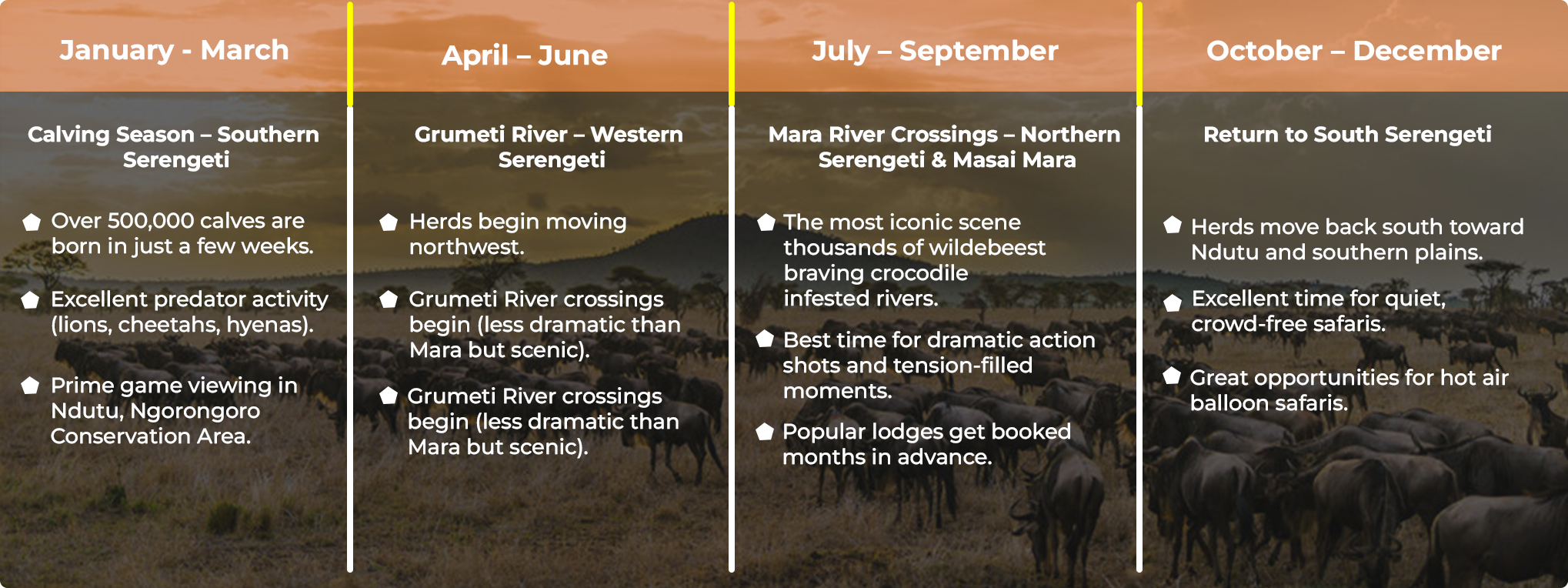
The African savannah holds many wonders, but none rival the sheer scale and primal power of the Great Wildebeest Migration. This is the pulse of the wild, a million and a half wildebeest, joined by hundreds of thousands of zebra and gazelle, driven by instinct across the plains. It is rightly dubbed the “World’s Greatest Wildlife Show.”
If witnessing this spectacle is on your bucket list, 2025 is the year to lock in your plans. While the herds are famously unpredictable, their circular pattern is remarkably consistent. This is your definitive guide to understanding the Serengeti Wildebeest Migration 2025, ensuring you are in the right place at the right time.
The Great Migration Tanzania: A Year-Round Cycle
Many people view the migration as a single event, but the Great Migration in Tanzania is actually a continuous, year-round search for fresh grazing and water. It is a massive, clockwise loop across the vast Serengeti-Mara ecosystem.
To successfully plan your Tanzania Safari 2025, you must understand where the herds are likely to be during any given month. Choosing the right time determines whether you witness the drama of a river crossing or the tender spectacle of calving season.
The Serengeti Migration Route: Where to Be and When
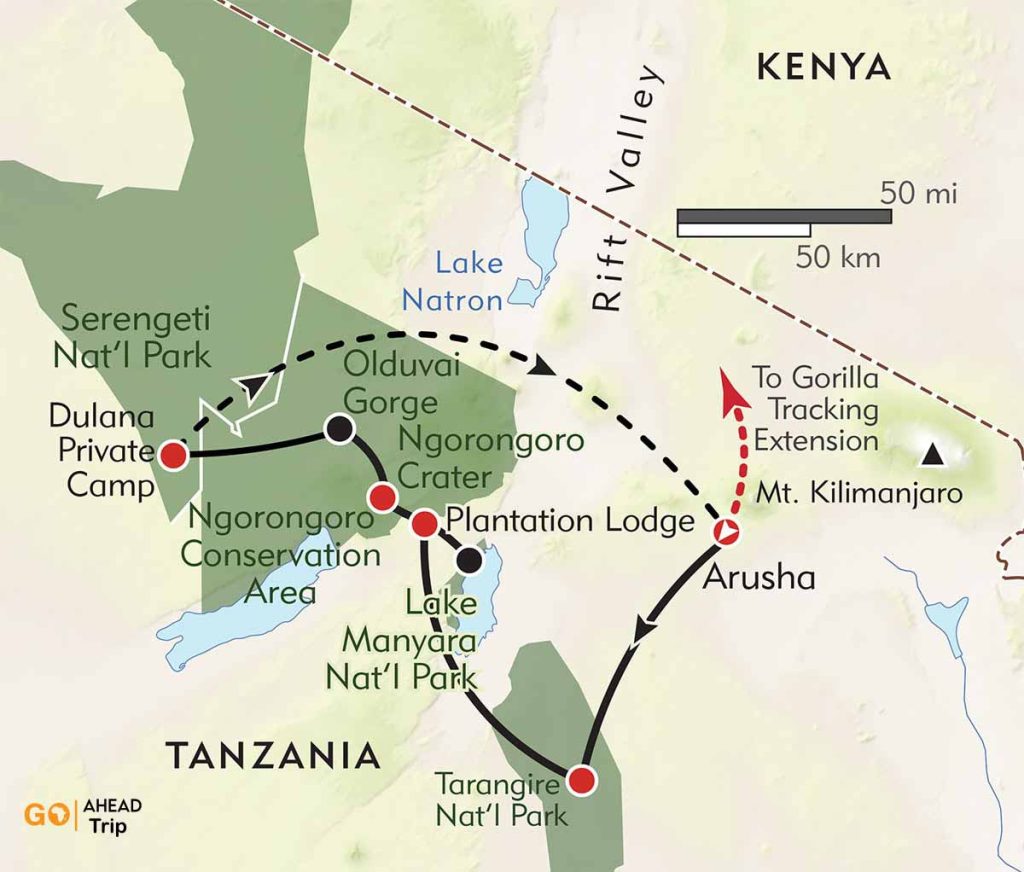
The herds follow the rains, making a calendar-driven approach the best way to predict their location. Here is a breakdown of the Serengeti Migration Route in 2025, categorized by the most important events:
1. The Calving Season (January – March)
| Location | Key Experience | |
| Southern Serengeti & Ndutu Plains | Birth of 500,000+ calves, creating intense predator action. |
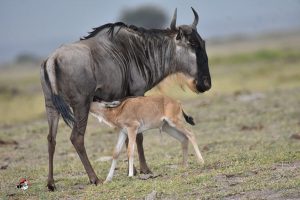
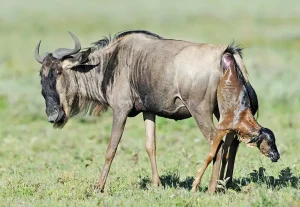
The Action: This is arguably the most underrated time to visit. With plentiful food and water on the short-grass plains, the herds gather en masse. Up to 8,000 calves are born per day, turning the area into a massive nursery.
Safari Focus: While the baby boom is endearing, it also attracts the largest concentrations of predators (lions, cheetahs, and hyenas) who come for easy meals. It offers fantastic photographic opportunities and high-action sightings.
2. The Great Trek North (April – May)
| Location | Key Experience | |
| Central/Western Serengeti | Herds begin their journey north, often moving in long, dramatic columns. |
The Action: As the plains dry up, the herds move west, then north. The rain causes the roads to be challenging, but the sightings can be exceptional. The groups are often stretched out for miles in long, kinetic lines a stunning visual representation of the journey.
3. The Grumeti River Crossing (June)
| Location | Key Experience | |
| Western Corridor (Grumeti River) | The first major river crossing, featuring enormous Nile crocodiles. |
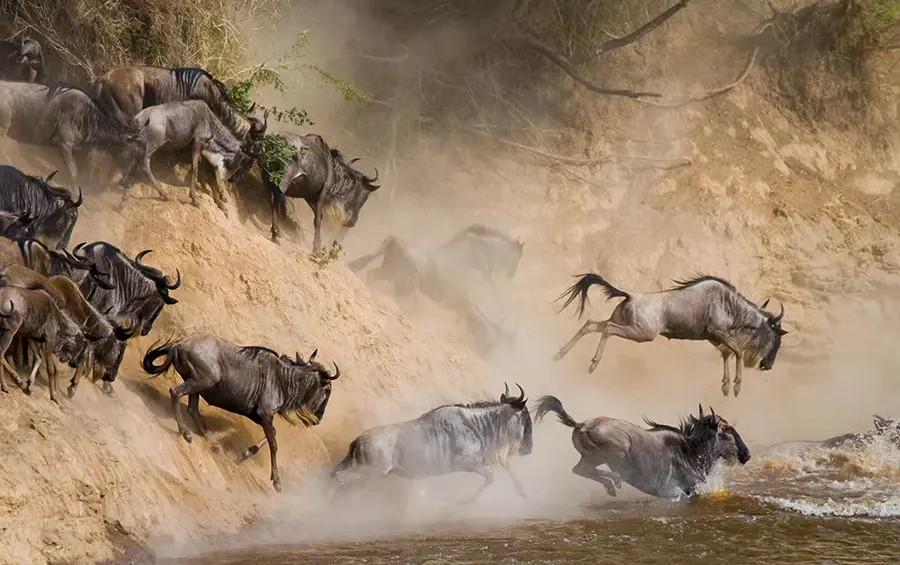
The Action: The herds must cross the Grumeti River to proceed. Though less famous than the Mara crossing, this event is equally thrilling and often sees fewer safari vehicles. It marks the start of the high-drama crossings.
4. The Iconic Mara River Crossing (July – October)
| Location | Key Experience | |
| Northern Serengeti (Mara River) | The most iconic, high-stakes crossing against strong currents and crocodiles. |
The Action: This is the peak time, widely considered the Best Time to Visit Serengeti for classic migration drama. The herds face the greatest obstacle, the Mara River crossing back and forth between Tanzania and Kenya’s Masai Mara, following the fluctuating rains.
Crucial Tip: The river crossing is never guaranteed on a specific date or location. To maximize your chances of witnessing a crossing, plan a Tanzania Safari 2025 of at least 3-4 nights in a Northern Serengeti camp.
5. The Return South (November – December)
| Location | Key Experience | |
| Eastern/Central Serengeti | Herds return as the short rains bring fresh growth to the south. |
The Action: The short rains begin, luring the herds back towards the abundant grasses of the south, completing the Serengeti Migration Route cycle. This period offers fantastic, less crowded game viewing, with the animals moving through the scenic eastern woodlands.
Planning Your Ultimate Tanzania Safari 2025
A successful migration safari hinges entirely on your timing and accommodation choice. Follow these essential tips for planning your Tanzania Safari 2025:
1. Book Early, Especially for Peak Season
The Rule: If you aim to see the Mara River crossings (July–September), you must book your safari and preferred camp at least 9–12 months in advance. The specialized mobile camps in the North book up first.
2. Choose Your Accommodation Wisely
-
Mobile Camps: These temporary tented camps move 2-3 times per year to stay close to the anticipated herd locations. They offer the most immersive, front-row migration access.
-
Permanent Lodges: These provide comfort and stability but require more driving to reach the herds if they are far away.
3. Account for Travel Time
The Serengeti is enormous. A migration-focused safari requires a minimum of 5 days, 6 days, 7days to 8 days. Consider utilizing domestic bush flights (e.g., from Arusha to the nearest airstrip) to minimize driving time and maximize your viewing days on the ground.
Ready to Witness the Wild?
The Serengeti Wildebeest Migration 2025 promises unmatched drama and beauty. By understanding the Serengeti Migration Route and planning for the Best Time to visit Serengeti based on your desired experience (calving or river crossings), you can turn this dream into a reality.
Ready to stop dreaming and start planning your once-in-a-lifetime Tanzania Safari 2025? Our expert team at Go Ahead Trip specializes in custom migration itineraries tailored to the month you want to travel.
Contact us today to secure your dates and mobile camp accommodation for 2025!