
Explore Top Safari Destinations
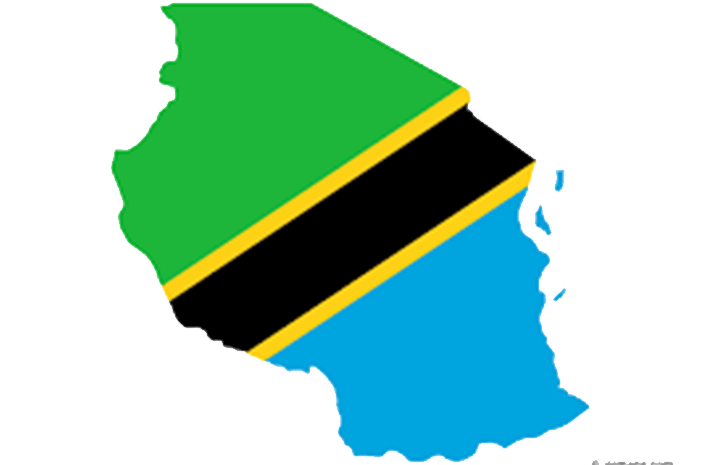
Tanzania is home to some of Africa’s most iconic and biodiverse national parks. From the expansive Serengeti Plains to the breathtaking Ngorongoro Crater, each park boasts a unique ecosystem and offers unforgettable wildlife experiences. Whether you’re pursuing the Great Wildebeest Migration, climbing Mount Kilimanjaro, or tracking chimpanzees in the remote forests of western Tanzania, the national parks promise unmatched adventure and discovery.
Below is a comprehensive guide to the national parks, organized by region, along with direct links to available tours and activities for each park.
Explore Top Safari Destinations
For better navigation, we’ve grouped the national parks into the following regional circuits:
Northern Circuit Parks
Most visited and easily accessible from Arusha .
Southern Circuit Parks
Remote and wild; ideal for off-the-beaten-path experiences.
Western Circuit Parks
Home to chimpanzee trekking and pristine wilderness.
Emerging & Lesser-Known Parks
Untouched & unique.
Northern Circuit Parks
Serengeti National Park
Serengeti National Park, a UNESCO World Heritage Site established in 1951, covers over 1.47 million hectares of pristine savanna, acacia woodlands, and kopjes that stretch to the horizon. This iconic wilderness is renowned for the Great Migration, where more than two million wildebeest, zebras, and gazelles follow seasonal rains across the ecosystem. This migration culminates in dramatic river crossings and calving grounds between December and July.
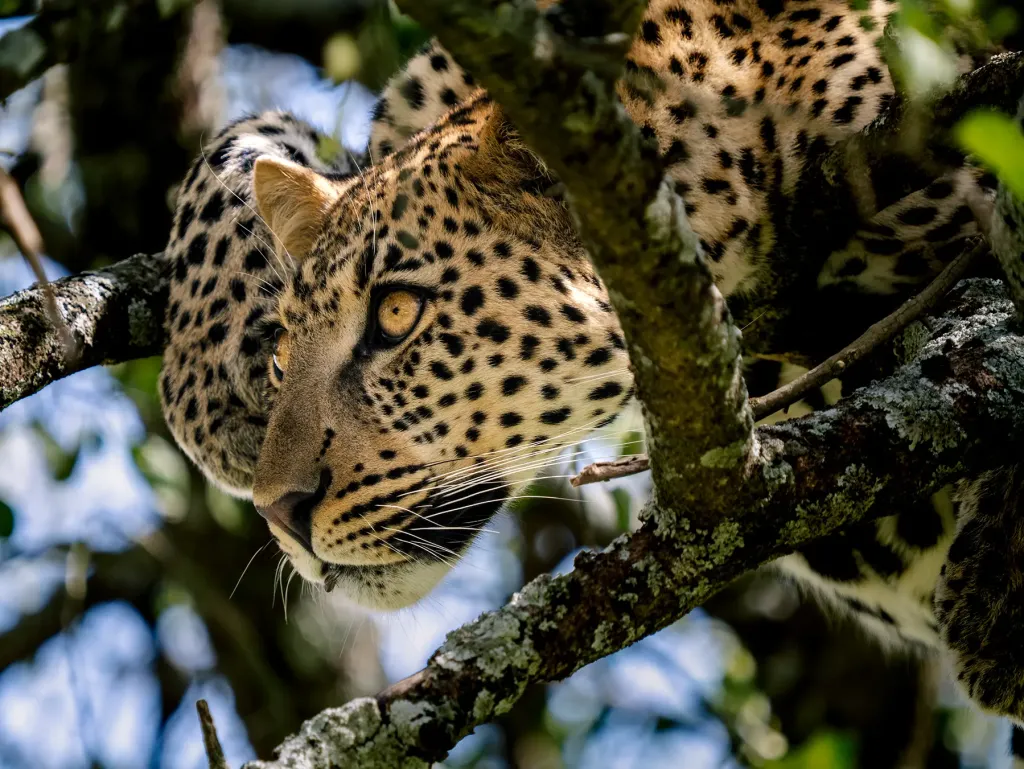
The park is also home to a rich population of carnivores, including approximately 3,000 lions, 250 cheetahs, and 7,500 hyenas, as well as black rhinos that can be found among the granite Moru Kopjes. Wildlife trails wind through the varied landscape, which includes sweeping plains, seasonal rivers, and rocky hills. Local Maasai communities still inhabit parts of the ecosystem, providing cultural insights alongside wildlife experiences.
Ngorongoro Crater
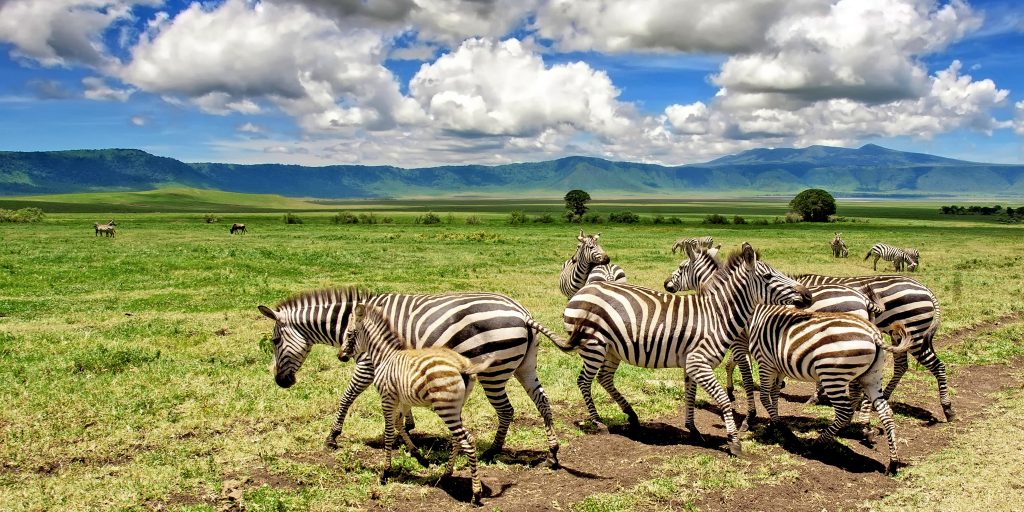
The Ngorongoro Crater, a UNESCO World Heritage Site, is the world’s largest unbroken volcanic caldera, measuring approximately 20 km in diameter and 610 m deep. Its floor covers an area of 260 km² and is home to over 25,000 large mammals. This unique ecosystem boasts an unparalleled density of wildlife, including the Big Five: black rhinos, lions, leopards, elephants, and buffaloes, as well as wildebeests, zebras, and hundreds of bird species such as lesser flamingos and kori bustards.
In addition to its rich wildlife, the conservation area holds significant archaeological sites like Olduvai Gorge and Laetoli, which are essential for understanding human evolution. The diverse ecosystems consist of montane forests on the crater walls, swamps, grasslands, and soda lakes like Lake Magadi, which attract large flocks of flamingos. With its fascinating geological history, dramatic landscapes, dense wildlife, and ancient human sites, the Ngorongoro Crater is a must-visit destination within Tanzania’s National Parks collection.
Lake Manyara National Park
Lake Manyara National Park is located at the base of the Rift Valley escarpment and spans approximately 648 square kilometers, including its famous shallow alkaline lake. The park is renowned for its tree-climbing lions, large populations of flamingos, and over 350 bird species. Its diverse terrain features lush groundwater-fed forests, marshlands, saline flats, and acacia woodlands, all framed by towering Rift escarpments that rise between 1,219 and 1,829 meters in elevation.
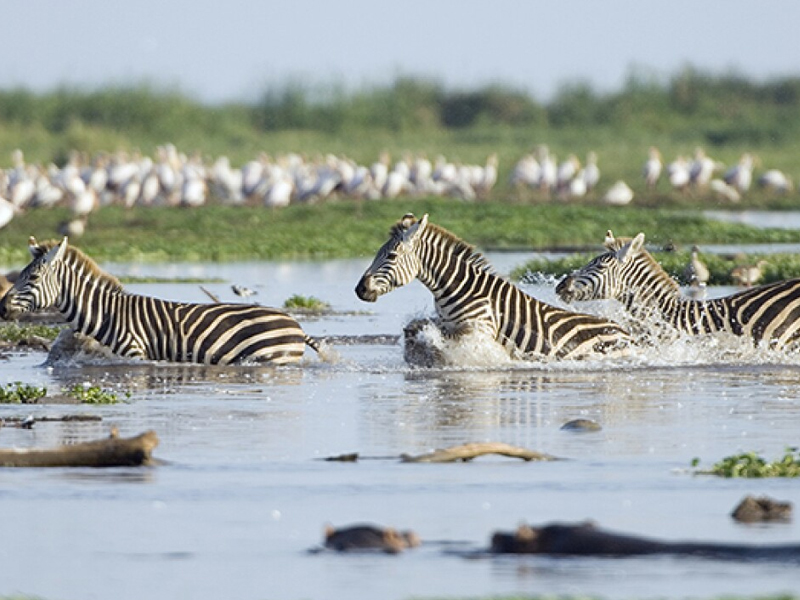
The lake’s depth averages less than one meter but can expand to over 40 kilometers in width during the wet seasons, attracting numerous migrating birds. Notable geological and wildlife attractions in the park include hot springs, such as Maji Moto, and a hippopotamus pool.
Wildlife highlights consist of hippos, elephants, buffalo, and leopards. The park also supports cooperative local initiatives aimed at promoting cultural tourism and offers canoe excursions into nearby village communities.
Tarangire National Park
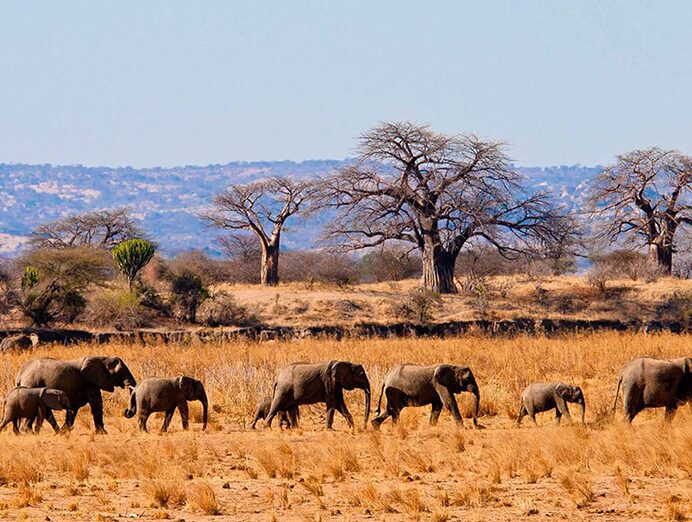
Covering approximately 2,850 km², Tarangire National Park is named after the Tarangire River, which serves as a crucial water source during the dry season. This river attracts large herds of elephants, wildebeest, and zebras, making it a hub for seasonal migration. The park’s landscape features ancient baobab trees, Acacia and Combretum woodlands, as well as seasonal floodplains, providing excellent opportunities for photography. Tarangire is also a designated Lion Conservation Unit, home to thriving populations of lions, Masai giraffes, and elephants, and offers occasional sightings of rare leucistic giraffes. Its location—about a two-hour drive from Arusha—makes it easily accessible while providing a quieter and more scenic alternative to the Northern Circuit.
Kilimanjaro National Park
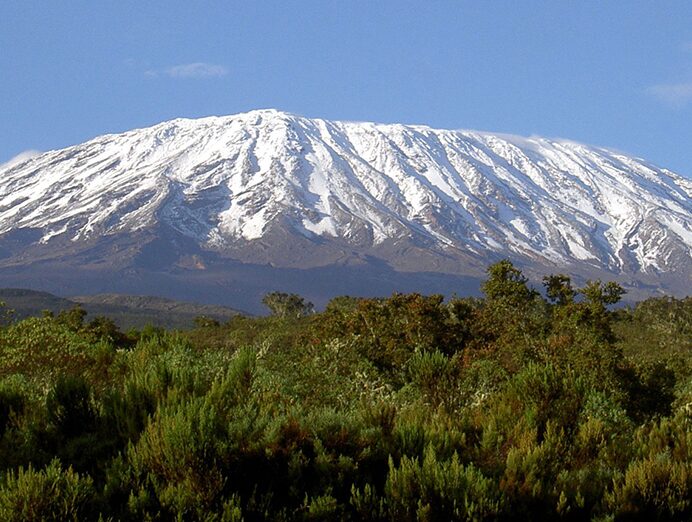
Kilimanjaro National Park, home to Mount Kilimanjaro—Africa’s highest peak at 5,895 meters—is a UNESCO World Heritage site and has been recognized as a Natural Wonder of Africa since 2013. This stunning landscape transitions from tropical rainforests at its base, near Marangu and Moshi, to alpine deserts and the snow-covered summit. In 2013, the park generated over $51 million in revenue and welcomed nearly 60,000 visitors, including more than 16,000 climbers attempting to reach the peak during that fiscal year. Popular trekking routes such as Machame, Marangu, and Rongai cater to various difficulty levels and offer diverse landscapes. As climbers make their way up Kilimanjaro, they journey through montane forests, moorlands, and glacial slopes, providing a rich ecological experience.