Blog

Savannah Snapshot Escape – 3 Days Classic Tanzania Safari

Tanzania • Kenya • Rwanda | Safari • Kilimanjaro • Zanzibar

Savannah Snapshot Escape – 3 Days Classic Tanzania Safari

Price

Duration

Max People

12

Min Age

2+

Tour Type

Tour Overview

Introduction

The Savannah Snapshot Escape – 3 Days Tanzania Safari from Arusha is one of the most popular short safari packages in Northern Tanzania. This 3 days Tanzania safari from Arusha by Go Ahead Trip takes you through the iconic African savannah, covering Tarangire National Park, Ngorongoro Crater, and Lake Manyara National Park.

This itinerary is perfect for travelers searching for wildlife safari in Tanzania, Big Five safari tours, and short Tanzania safari packages from Arusha.


🐘 Day 1: Tarangire National Park – Elephant Paradise

Your 3 days Tanzania safari from Arusha begins with a drive from Arusha to Tarangire National Park.

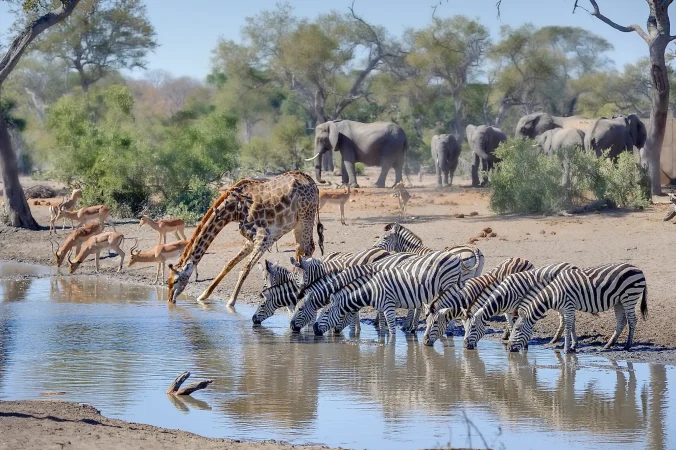
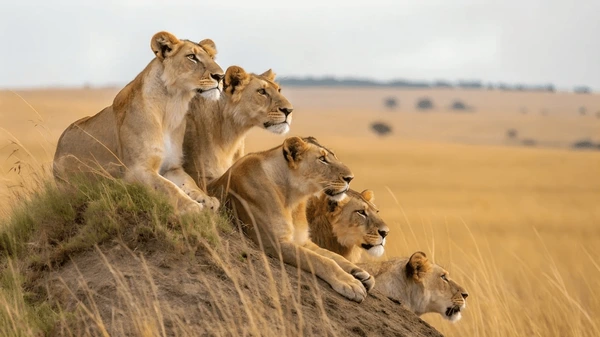
Famous for baobab trees and elephant herds, this park offers sightings of lions, giraffes, zebras, and wildebeest. After the game drive, return to your lodge for dinner and overnight stay.


🦁 Day 2: Ngorongoro Crater – Big Five Safari Experience

Continue your 3 days Tanzania safari from Arusha to the world-famous Ngorongoro Crater.

This UNESCO site is home to the Big Five and offers one of the highest wildlife densities in Africa. Enjoy a full-day crater tour with picnic lunch on the floor.


🦩 Day 3: Lake Manyara – Scenic Wildlife Safari

On the final day of your 3 days Tanzania safari from Arusha, explore Lake Manyara National Park.

See flamingos, elephants, and tree-climbing lions before returning to Arusha.


🚙 Safari Inclusions (Go Ahead Trip)

  • All park entry fees
  • Professional English-speaking safari guide
  • 4x4 safari Land Cruiser with pop-up roof
  • Accommodation and meals as per itinerary
  • Bottled water during safari
  • Airport & ground transfers
  • AMREF Flying Doctors emergency cover
  • 24/7 customer support

❌ Exclusions

  • International flights
  • Visa fees
  • Travel insurance
  • Tips for guide ($25–$40 per day per vehicle)

Itinerary

Pricing Includes

Pricing Excludes

FAQs

How much does a safari in Tanzania cost?

The cost of a safari depends on factors such as the season, the type of safari, and the accommodations. Prices can range from $200 to $1,000+ per day, with luxury safaris being more expensive.

I would like to book but I have group is large group, is this a problem?

We aim to keep the size of the public groups to a minimum, as we feel that a group that is much larger than ten trekkers is cumbersome and trekkers lose the sense that they are in a wilderness if there are too many people. That said, if you are a single, private group, then there is no problem accommodating you whatever the size of the group, as, of course, you will be aware before arriving in Tanzania of the number of people you will be trekking with.

What should I pack for my trip?

  • Sturdy hiking boots

  • Lightweight rain jacket

  • Long-sleeved shirts and trousers for the forest

  • Sunscreen and insect repellent

  • A hat, gloves, and a daypack

  • Reusable water bottle

Can I customize my trip?

Absolutely! All our Rwanda tours can be tailored to suit your interests, time frame, and budget — from luxury to budget travel options.

Can I customize my safari itinerary?

Yes. Most tour operators offer customizable safaris to suit your budget, interests, and travel dates. You can choose private or group safaris, lodge or camping options.

What animals can I see on a Tanzania safari?

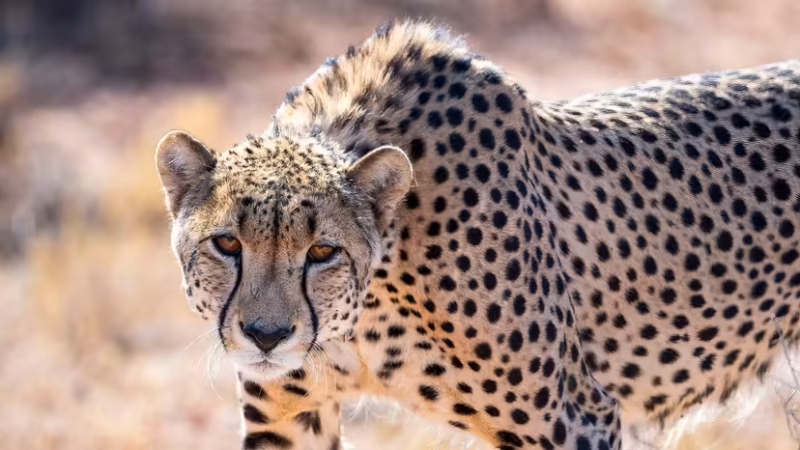
Tanzania is home to the “Big Five” (lion, elephant, buffalo, leopard, and rhinoceros) and a variety of other wildlife, including giraffes, zebras, cheetahs, and wildebeests.

Which national parks and game reserves should I visit?

Some of the top destinations include the Serengeti National Park, Ngorongoro Crater, Tarangire National Park, and Lake Manyara National Park.

How long does a typical safari last?

Safaris can vary, but most trips last between 4 to 7 days. Longer safaris allow for more exploration and deeper wildlife experiences.

Are safaris in Tanzania suitable for children?

Yes, many safari tours cater to families with children. However, some parks and lodges have age restrictions, and it’s important to choose a family-friendly safari.

What is the difference between a private safari and a group safari?

A private safari offers a more personalized experience, where the itinerary is tailored to your interests. A group safari involves sharing the tour with other travelers, which can be more affordable.

Who are your operators in Tanzania?

We are. We are not agents for anybody, but run the treks ourselves through our own Tanzanian company. So you can rest assured that whoever you speak to in our company has climbed Kilimanjaro – and probably many times.

Do we tip the hiking crew?

Yes, it is expected and much appreciated. The amount depends on the number of days, but can range from $150 and $300 per hiker. Tips are pooled and shared amongst the crew. Bring US dollar bills.

What will I eat - I am a vegetarian?

You will eat normal food: potatoes, rice, pasta, vegetables, eggs, sandwiches, cheese, and fruit. When you book a trek, let your tour operator know about food allergies or medical conditions that require special diets. Non-vegetarians will be served sausages, chicken, and meat. Tea, coffee, and hot chocolate will be available as well.

When does the tour start?

Safari starts at 10 am (Unless advised otherwise by Safari)

Do you arrange airport pick up & Drop off?

Yes, we do arrange this. Please send your request to Safari.

What is the maximum group size?

The maximum group size is Six (6) guests

What travel documents do I need?

You will need a passport that is valid at least six months beyond your dates of travel with an entry or re-entry visa, duly endorsed.

How far in advance do I need to book?

Book your trip early. Ideally, 6 months in advance and 10-12 months in advance if you want to witness the Wildebeest migration in Serengeti

What can I expect on a typical safari day?

Depends on which park you have chosen in your itinerary. Every park has a distinct character, topography and the animals with attitude. If it’s Serengeti then enjoy the endless savannahs and Big 5. Tarangire’s offerings are a semi-arid landscape with majestic baobabs with no shortage of wildlife. Including the Big 5 in a day

Will the safari be dusty?

Definitely! What’s the point of a safari if you don’t kick up the dust. And there will be plenty to kick in the dry months. Some of the trails on the safari route are bumpy and dusty, especially between Ngorongoro and Serengeti. So roll up the window and turn the AC on. Use sunglasses and a hat, and protect your electronic equipment from the dust storms

What about the roads on safari?

Bumpy on the safari circuits and on the game drives. If you have a back condition then take precautions with back braces, pillows or whatever works for you

What about tipping the safari driver guides?

Tipping is a good courtesy. Tip generously. And always keep their counsel for that optimum and safe safari experience Have we answered for all your questions? No?

When is the best time to climb Kilimanjaro?

Mount Kilimanjaro can be climbed anytime throughout the year. Most travelers prefer climbing during the dry seasons: December to March, June to October. Many consider the best months to climb Kilimanjaro to be January, February, and September.

Other Tour Details

You may like

Book this tour

    Daily Short Day Tour Deals
    Got a Question or Want Help?

    Why Book With Us?

    Review Us On

    Login

    Book This Tour

    CHAT