
Tanzania Safari FAQs: Everything You Need to Know Before Your Safari
Planning a Tanzania safari? Whether you dream of witnessing the Great Wildebeest Migration in the Serengeti, exploring the spectacular Ngorongoro Crater or discovering the elephant-rich landscapes of Tarangire National Park, Tanzania offers unforgettable wildlife experiences.
Planning an African safari often comes with questions about costs, destinations, accommodation, travel seasons, wildlife viewing and safari arrangements.
At Go Ahead Trip, we want to make your travel planning easier. This Tanzania Safari FAQ guide answers common questions to help you choose the right safari package, understand what to expect and prepare for your African adventure.
Explore our frequently asked questions and discover why Tanzania is one of Africa’s most rewarding safari destinations.
The best time for a Tanzania safari depends on your preferred wildlife experiences and destinations. June to October is generally considered an excellent period for wildlife viewing because vegetation is thinner and animals gather around water sources. January to March is particularly rewarding for witnessing the wildebeest calving season in the southern Serengeti. Tanzania offers wildlife experiences throughout the year.
The cost of a Tanzania safari depends on the number of days, national parks visited, accommodation standards, group size and travel season.
Generally, there are three main safari categories:
Budget safaris: Affordable camping and basic accommodation options.
Mid-range safaris: Comfortable lodges and tented camps.
Luxury safaris: Premium lodges, exclusive tented camps and personalised services.
Contact Go Ahead Trip for a customized Tanzania safari cost and quotation based on your preferred travel dates and budget.
The ideal duration depends on how many destinations you want to explore. A 3-day safari can introduce you to destinations such as Tarangire and Ngorongoro. A 5–7-day safari allows more time to explore the Serengeti, Ngorongoro and other northern circuit parks. For a more extensive experience, consider a 8–10-day or longer safari.
Tanzania has several outstanding national parks and wildlife conservation areas. Some of the most popular include:
Serengeti National Park – Great Wildebeest Migration and big cats.
Ngorongoro Conservation Area – spectacular crater landscapes and diverse wildlife.
Tarangire National Park – large elephant populations and ancient baobab trees.
Lake Manyara National Park – birdlife, beautiful scenery and tree-climbing lions.
Nyerere National Park – boat safaris and diverse wildlife.
Ruaha National Park – remote wilderness and impressive wildlife diversity.
The best parks depend on your travel dates, interests and safari duration.
Yes. Tanzania is home to all five members of the African Big Five: lions, leopards, elephants, buffaloes and rhinoceroses. The Serengeti and Ngorongoro Conservation Area are popular destinations for Big Five wildlife viewing. However, sightings of individual animals cannot be guaranteed.
The Great Wildebeest Migration takes place throughout the year as millions of wildebeest, zebras and gazelles move through the Serengeti ecosystem in search of fresh grazing and water.
The general seasonal pattern includes:
December to March: Southern Serengeti and Ndutu, associated with the calving season.
April to May: Herds generally move towards the central and western Serengeti.
June to July: Western Serengeti and Grumeti region.
July to October: Northern Serengeti and the Mara River region.
November: Herds generally begin moving south again.
Migration movements depend on rainfall and grazing conditions, so exact dates cannot be guaranteed.
The best location depends on the time of year. Southern Serengeti and Ndutu are popular during the calving season, while the western and northern Serengeti offer opportunities to see migrating herds at different times. The northern Serengeti is particularly famous for its Mara River crossing experiences.
Serengeti National Park is a year-round safari destination. June to October is popular for dry-season wildlife viewing, while January to February is particularly rewarding for the wildebeest calving season. The best month depends on which wildlife experiences you want to enjoy.
Yes. Serengeti National Park is famous for its diverse wildlife, including lions, elephants, leopards, cheetahs, buffaloes, giraffes, zebras and wildebeest. It is especially popular for big cat viewing and the annual Great Migration.
Absolutely! Ngorongoro Crater is one of Tanzania's most remarkable wildlife destinations. Its spectacular volcanic landscape supports a wide variety of wildlife, including lions, elephants, buffaloes, zebras, wildebeest and the endangered black rhinoceros. It is an excellent destination for travellers seeking diverse wildlife experiences within a relatively compact area.
A typical Tanzania safari package may include:
Private 4x4 safari vehicle with a pop-up roof.
Professional English-speaking safari guide.
National park entrance and conservation fees.
Accommodation during the safari.
Meals as specified in the itinerary.
Drinking water during game drives.
Airport transfers where specified.
Inclusions vary depending on the safari package, accommodation and itinerary. Always review your quotation before confirming a booking.
A private safari gives you exclusive use of a safari vehicle and more flexibility over your itinerary, departure dates and wildlife viewing preferences.
A group joining safari allows you to share a vehicle with other travellers, making it a potentially more affordable option.
Both options offer excellent opportunities to discover Tanzania's national parks.
Tanzania offers different accommodation options to suit different travel budgets and preferences.
Budget camping sites.
Budget safari lodges.
Mid-range tented camps.
Luxury safari lodges.
Luxury mobile tented camps.
Exclusive safari camps.
Your accommodation choice can significantly influence your overall safari experience and package price.
Yes! Solo travellers can enjoy Tanzania safaris through private safari arrangements or available group joining departures. Group joining safaris can be a good option for travellers who want to share safari costs and meet other visitors. Availability and joining conditions depend on the departure dates.
A budget camping safari or group joining safari can help reduce the overall cost of your Tanzania adventure. Travelling during quieter seasons, selecting affordable accommodation and combining nearby national parks can also help manage your budget without missing out on wonderful wildlife experiences.
For a comfortable Tanzania safari, we recommend packing:
Lightweight and breathable clothing.
Neutral-coloured shirts and trousers.
Comfortable walking shoes.
A wide-brimmed hat or cap.
Sunglasses and sunscreen.
Insect repellent.
Binoculars for wildlife viewing.
Camera and spare batteries.
A light jacket for cool mornings.
Personal toiletries and essential medication.
Remember to pack according to the season and destinations included in your itinerary.
Tanzania is an established international safari destination. Travellers should follow their professional safari guide's instructions, remain inside the vehicle during wildlife viewing unless specifically permitted otherwise, and respect park regulations. It is also advisable to arrange suitable travel insurance and follow current travel and health guidance.
Kilimanjaro International Airport (JRO) is a convenient international arrival point for northern Tanzania safaris, including Serengeti, Ngorongoro and Tarangire. Julius Nyerere International Airport (DAR) is another major international gateway, particularly for southern Tanzania safari circuits. Zanzibar's Abeid Amani Karume International Airport (ZNZ) is convenient for travellers combining a safari with a beach holiday.
Visa requirements depend on your nationality and travel circumstances. Many international visitors need a Tanzanian tourist visa, while some nationalities may qualify for visa exemptions. Check the official Tanzania Immigration website before travelling to confirm the latest requirements and application procedures.
Yes! Combining a Tanzania wildlife safari with a Zanzibar beach holiday is an excellent way to experience two different sides of Tanzania.
You can explore the Serengeti, Ngorongoro Crater and Tarangire before flying to Zanzibar for beautiful beaches, historical Stone Town, spice tours, local culture and marine experiences.
Go Ahead Trip can help organise a personalised safari and Zanzibar holiday itinerary.
Why choose Go Ahead Trip for your Tanzania safari?
Discover Tanzania with local expertise
At Go Ahead Trip, we believe every Tanzania safari should be more than just a wildlife tour. It should be an opportunity to discover Africa’s incredible landscapes, wildlife, cultures and unforgettable experiences.
With over 13 years of tourism experience, our team focuses on organising personalised safari adventures for travellers from around the world.
Why travel with Go Ahead Trip?
Local knowledge and destination expertise.
Professional and experienced safari guides.
Private and group safari options.
Customised itineraries for different budgets.
Carefully selected safari lodges and camps.
Flexible safari and Zanzibar combinations.
Personalised travel planning and support.
Whether you are planning your first African safari, a family holiday, a honeymoon or a photography adventure, we can help you create a memorable Tanzania experience.
Explore Tanzania's most popular safari Packages
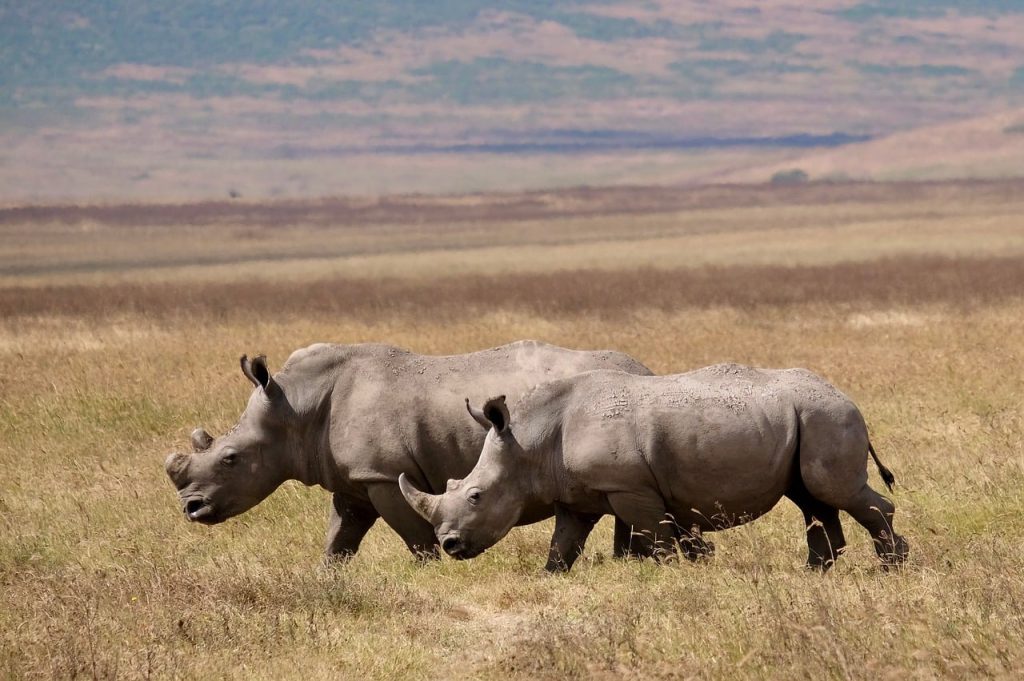
6 Days Northern Tanzania Cultural Experience

Ready to Experience a Tanzania Safari?
Your African adventure starts here. Let Go Ahead Trip help you plan a personalised Tanzania safari filled with incredible wildlife, beautiful landscapes and unforgettable memories.

